World Tourism Day: From Ice Carving To Aperitivos, A Look At The World’s Cocktail Cultures
Introduction
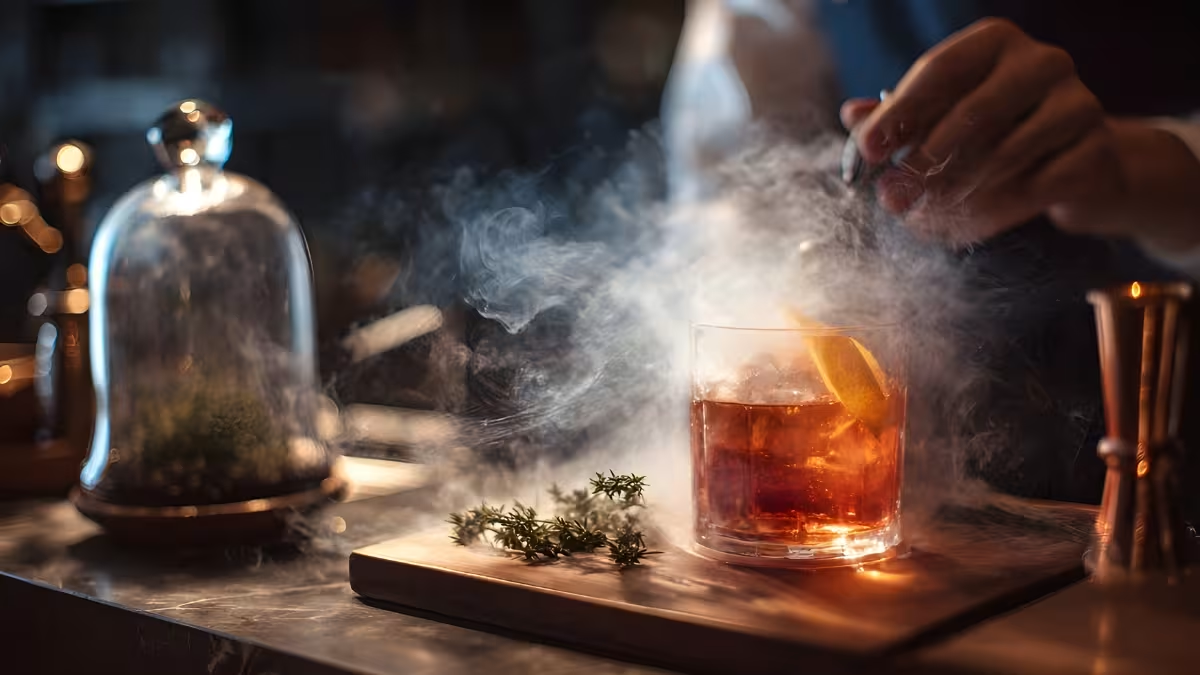
World Tourism Day is an excellent reason to borrow a little knowledge from around the globe and take a second look at what the world does differently. For this piece, the focus is on what goes in a glass, i.e., what cocktail culture looks like around the world. Because while every bar worth its salt will perfect the margarita and martini cocktails, there are things unique to a country or region that show up in the venues and their cocktail programmes.
Hand-Carved Ice in Japan
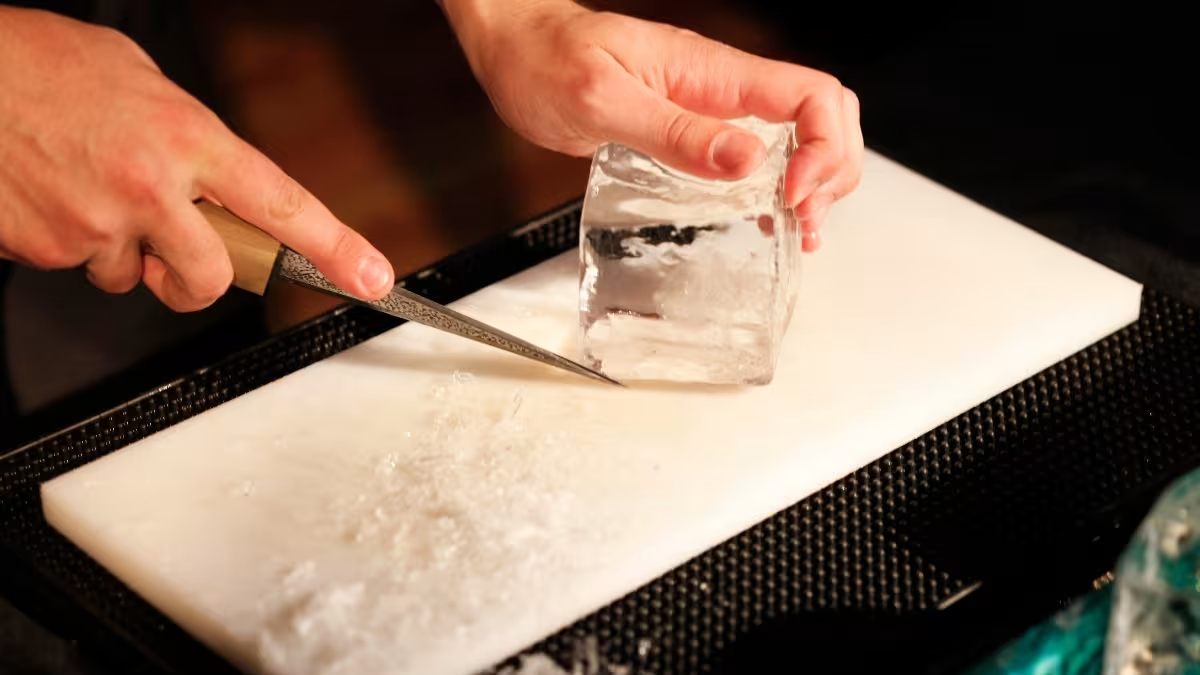
Japan is known for its precision; it shows up in every aspect, from transport and stay to food and drinks. This precision bartending extends to cocktail ice as well; today, Japan is the master of hand-carved ice. It is a meticulous craft where crystal-clear ice blocks are shaped into precise spheres, diamonds, or cubes to chill spirits slowly without diluting them.
There are two categories or types of hand-carved ice famous in Japan: one, the commercially shaped ice or “functional art” used in drinks like Negroni, Sours, etc. Reports suggest this is exported to high-end cocktail bars worldwide, from the US to Australia. Second is the more theatrical and personal, with skilled bartenders using ice picks, knives, and small saws to chip away at large blocks by hand in front of patrons.
Low-ABV Aperitivo Culture in Italy
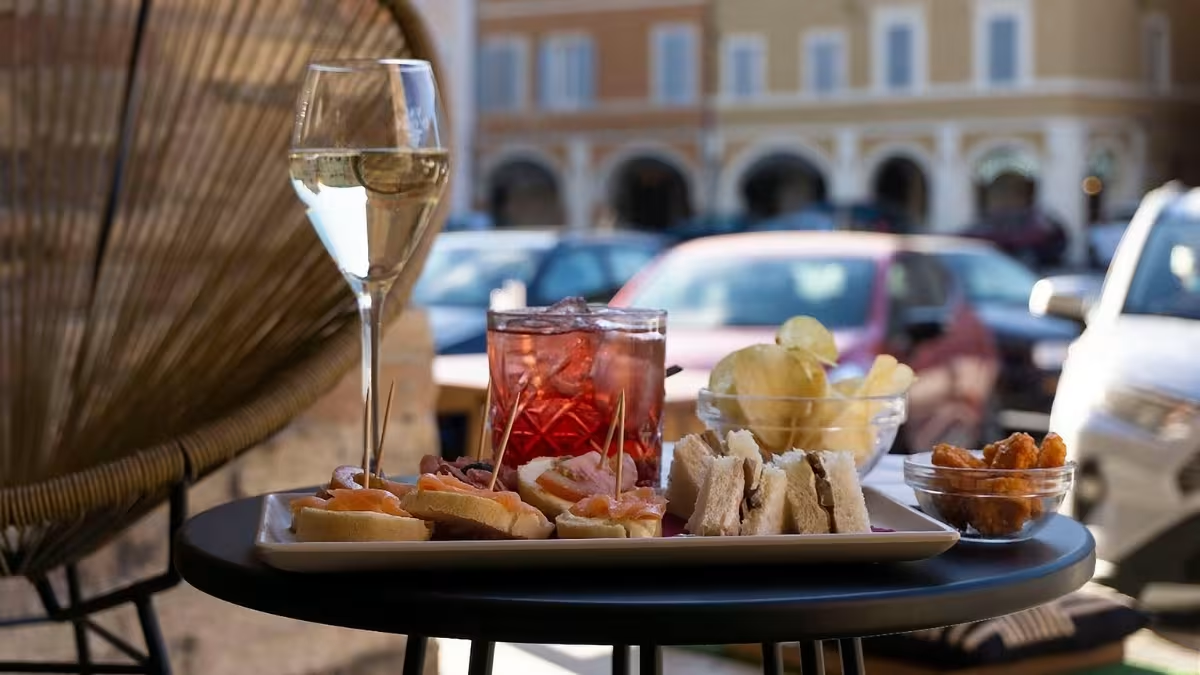
Low-ABV cocktails have become increasingly common these days, but long before it became a norm, Italy was practising this style. All thanks to its aperitive culture. Aperitivo is a pre-dinner social hour prevalent not just in Italian homes but in cafes, bars, and piazzas across Italy. It typically lasts between 6:00 PM and 8:00 PM.
It’s a purposeful transition from the workday to dinner, with drinks accompanied by small plates like olives, chips, cicchetti, or nuts. The aperitivo cocktail philosophy, thus, is rooted in moderation, favouring botanical, bitter, and herbal profiles over heavy spirits. Some of the more well-known drinks of this style are Americano, Negroni Sbagliato, or Spritzes.
Low-Intervention Serves in France
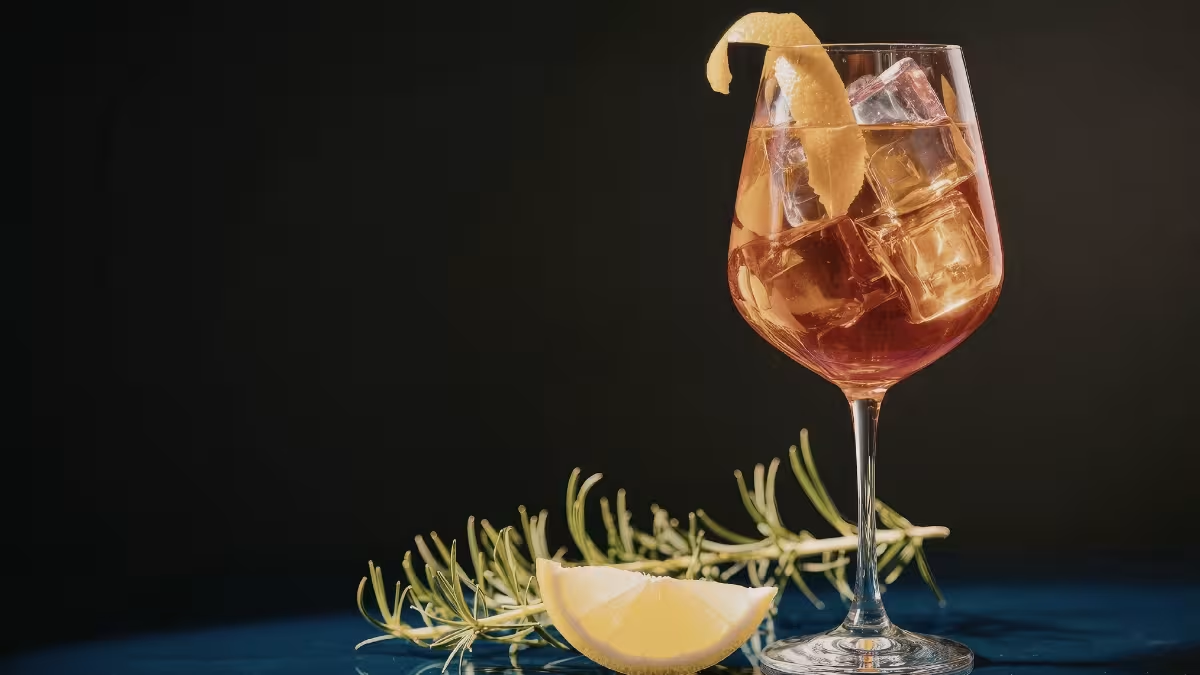
If Japan is about precision, France is all about high-quality and low-intervention cocktails. Low-intervention is an umbrella term for drinks and dishes with minimal manipulation of ingredients. In the context of drinks, the focus is on raw produce, wild fermentation, high-quality ingredients, and simple builds (with no complicated mixology).
France extends this ideology to two styles of drinks: natural wines and apéritifs. Natural wines are those prepared with native yeasts, organic farming, and little-to-no added chemical compounds. Rather than being heavily manipulated in a cellar, these are served raw to highlight the true terroir. Apéritifs describe simple, low-alcohol serves that showcase regional botanicals or traditional fermentations. They require no shakers, syrups, or mixers and can be served as is. The French cafe culture revolves around the apéritif.
The Art of Vermouth in Spain
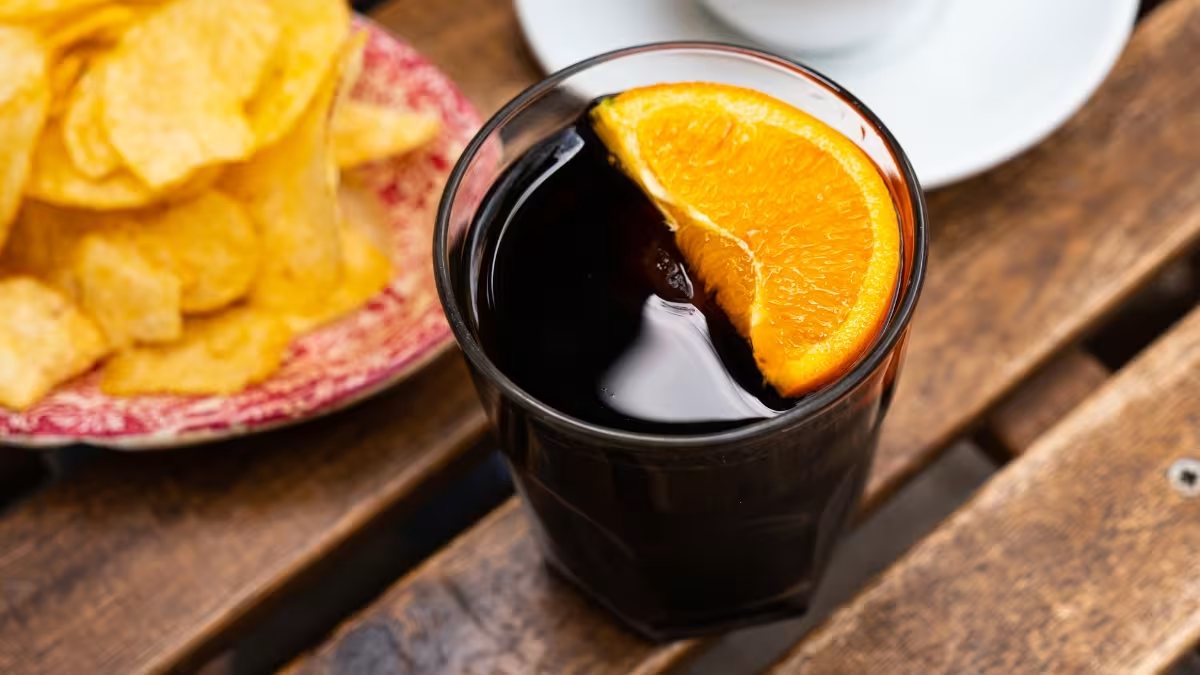
Spain takes vermouths seriously; so seriously that they are not treated as a cocktail ingredient, but rather served on the rocks. Spain has a local tradition (usually practised on the weekends) called la hora del vermut (the vermouth hour). It takes place late in the morning or early afternoon. People can partake in this in neighbourhood taverns or specialised vermuterías, where it usually comes with a slice of orange or a lemon twist and a skewered green olive.
It is always served with light snacks, such as potato chips, olives, tinned seafood (conservas), or gildas (skewers of olives, peppers, and anchovies). It is similar to Italy’s aperitivo culture, but the timing and type of drink are where the two differ. And though the vermouth originated in Italy, Spain has well and truly made it its own. In fact, many bars across Spain, particularly in cities like Barcelona and Madrid, proudly serve their own house-made formulas (vermut casero).
Conclusion
This is just a glimpse of how varied yet defined the cocktail cultures are across the globe. Of course, some trends also travelled across regions. Like the use of local produce and kitchen staples has become the norm in most Asian bars, from Singapore to India. And small venues and sustainability are becoming increasingly common across the globe, be it Australia, Spain, New York, or London. Then there is the art of savoury and soupy cocktails, which may have started in one part of the world but is now a theme across countries. All this to say, while some trends carry through countries and regions, others remain local. And World Tourism Day is a chance to understand both the ones that went viral and the ones that remain rooted.
*Drink Responsibly. This communication is for audiences above the age of 25.
FAQs:
Cocktail cultures vary widely, from Japan’s meticulous ice carving and Italy’s aperitivo tradition to Spain’s vermouth ritual and France’s low-intervention serves.
You May Also Like



Drink Responsibly. This communication is for audiences above the age of 25.

More from The Bar



Stay Inspired
Sign up to our newsletter for exclusive recipes, insider secrets and special offers - all delivered straight to your inbox.
