Ice Cube In Summer Cocktails: How To Make The Most Of It
Introduction
The way your ice cube works dramatically changes the way your summer cocktails taste, dilute, and maintain structure over time. Each form of ice will create a different texture, aromatic profile, and dilution depending on the size and amount of ice you use. This is why large ice cubes are used in an Old Fashioned cocktail and crushed ice in a Mint Julep cocktail. A more recent trend is adding flavoured ice to your drink. Through that, you can introduce layered notes like citrus peel, berries, herbs, or tea infusions without disrupting the cocktail’s original balance.
Ultimately, when it comes to summer cocktails, an ice cube has main character energy. Here’s how you can make the most of it.

Why Ice Cube Choice Matters In Summer Cocktails
An ice cube is not just something to make the drink cooler in the summertime. The size, weight, and shape of the ice cube will dictate how quickly or slowly the drink melts or dilutes and for how long the drink will keep its original form.
The large, clear ice cube melts slowly, providing an ideal option for a spirit-forward cocktail made with a Johnnie Walker Black Label with smoky, vanilla, and toasted grain notes.
Using smaller ice cubes and/or crushed pieces of ice will quickly chill the drink and create an earlier dilution, making the cocktail taste smoother over time. Examples of these would be a Margarita cocktail or a Paloma cocktail. The gradual texture of these cocktails would be dependent upon how quickly the ice melts and changes the taste from sharp to smooth.
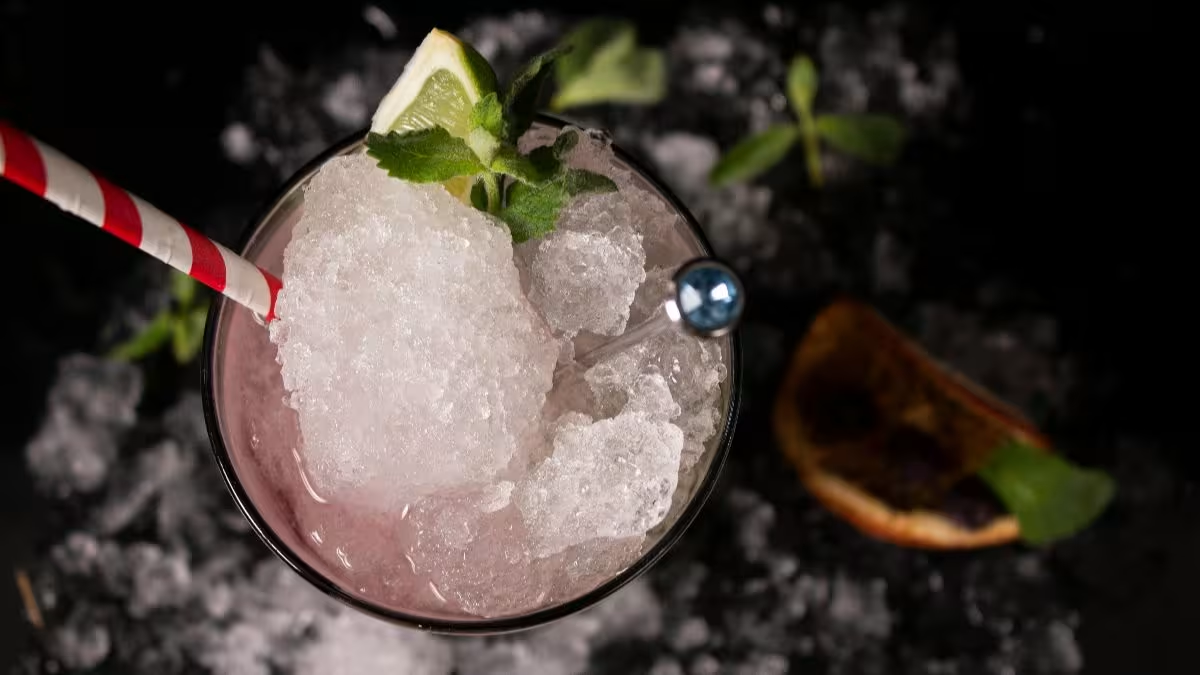
The texture of ice determines how the drink will taste as well. For example, the use of crushed ice creates a smooth/slushy texture, whereas using solid cubed ice will create sharper edges to the drink and a cleaner flavour.
Ice Shapes That Melt Slowly
The large format of ice cubes is the preferred choice for summer cocktails, particularly where liquor contains layered taste notes that should be held throughout the entire drink
Some of the common shapes of ice used to slow melting include:
Large square cubes are used in whisky cocktails that contain oak, spice, and/or smoke notes
Ice spheres used for cocktails that are stirred
Collins or tall ice spears are used in tall drinks that are mixed with soda and/or tonic
Clear-directionally frozen cubes are used to reduce air and clouding in the ice

Flavoured Ice For Layered Summer Cocktails
Today, flavoured ice is being used more often in summer cocktails as it gradually changes the overall flavour profile rather than simply diluting the drink when the ice cube melts. As the ice melts, more flavours diffuse through the liquid structure.
Popular flavoured ice combinations include:
Lime peel and mint for a Mojito cocktail
Brewed hibiscus tea cubes for tequila highball cocktails
Coconut water ice for tropical rum-based drinks
Cold brew coffee cubes for darker whisky cocktails
Strawberry and basil ice for gin spritz cocktail variations
Flavoured ice will also impart some slight modifications to the cocktail's aroma as it warms up. Tea-based flavoured ice will add additional tannins, giving an astringent sense of dryness, while citrus-based flavoured ice will increase the acidity of drinks served in longer pours.

More contemporary summer cocktails treat ice as a component of the overall flavour and design of the drink, rather than simply being used for temperature control. This method is especially effective in cocktails that highly feature botanicals, citrus, or spice, where the slow dilution will reveal multiple flavour dimensions throughout the drink. Rather than masking the alcohol base of the drink with a flavour, the ice will provide a controlled transition of flavour throughout.
To make flavoured ice, freeze ingredients like citrus slices, mint leaves, cucumber, berries, or cooled tea inside ice cube trays filled with water. As the cubes melt, they gradually add subtle aroma and flavour to summer cocktails.
Tips To Prevent Ice From Melting Too Quickly
Ice quality and the temperature of your glassware are the two biggest contributors to dilution in summer cocktails. Poor quality ice and neglecting to chill your glassware can lead to accelerated melting due to heat exposure. It also matters how the ice is stored (wet) and how small the ice cubes are.
To prevent ice from melting too quickly, follow these tips:
Chill your glass before adding the cocktail.
Store ice in a sealed container so that the surface of the ice does not frost.
Use filtered water to create denser ice cubes.
Only shake cocktails for the minimum time required.
Spirited cocktails using a single malt whisky like Singleton or aged rum often work better with one large ice cube than with several small ice cubes, just like tall, sparkling drinks are best served with spear-shaped ice.
Why Clear Ice Matters
The rise of clear ice cube production in the cocktail scene is linked to how much air and cloudiness are trapped within the ice, which affects how quickly the ice melts. As such, clear ice is denser, and therefore melts more slowly than traditional white ice, and does not leave any visual cloudiness in cocktails served in clear beverages.
To achieve this effect, directional freezing is commonly employed. In directional freezing, the water is frozen in a direction so as to push the air bubbles outside of where the ice is formed to avoid trapping air in the middle of the ice. This results in visually clear ice that is more uniformly frozen than ice created using traditional methods.
Conclusion
Ice cubes, today, affect the drink in more ways than simply temperature control. Ice choice impacts dilution, aroma release, texture and flavour pacing within summer cocktails. The use of larger ice cubes preserves the structure of a spirit, while smaller pieces create a softer taste profile. The flavoured ice creates a gradual layering of citrus, herbs, tea, or fruit. All this goes to show that ice has evolved to become both a mechanical ingredient for structure in the modern-day bartender’s world.
*Drink Responsibly. This communication is for audiences above the age of 25.
FAQs:
Ice cube size and density affect dilution speed, temperature retention, and texture. Different cocktails require different ice structures to maintain flavour clarity and balance.
You May Also Like


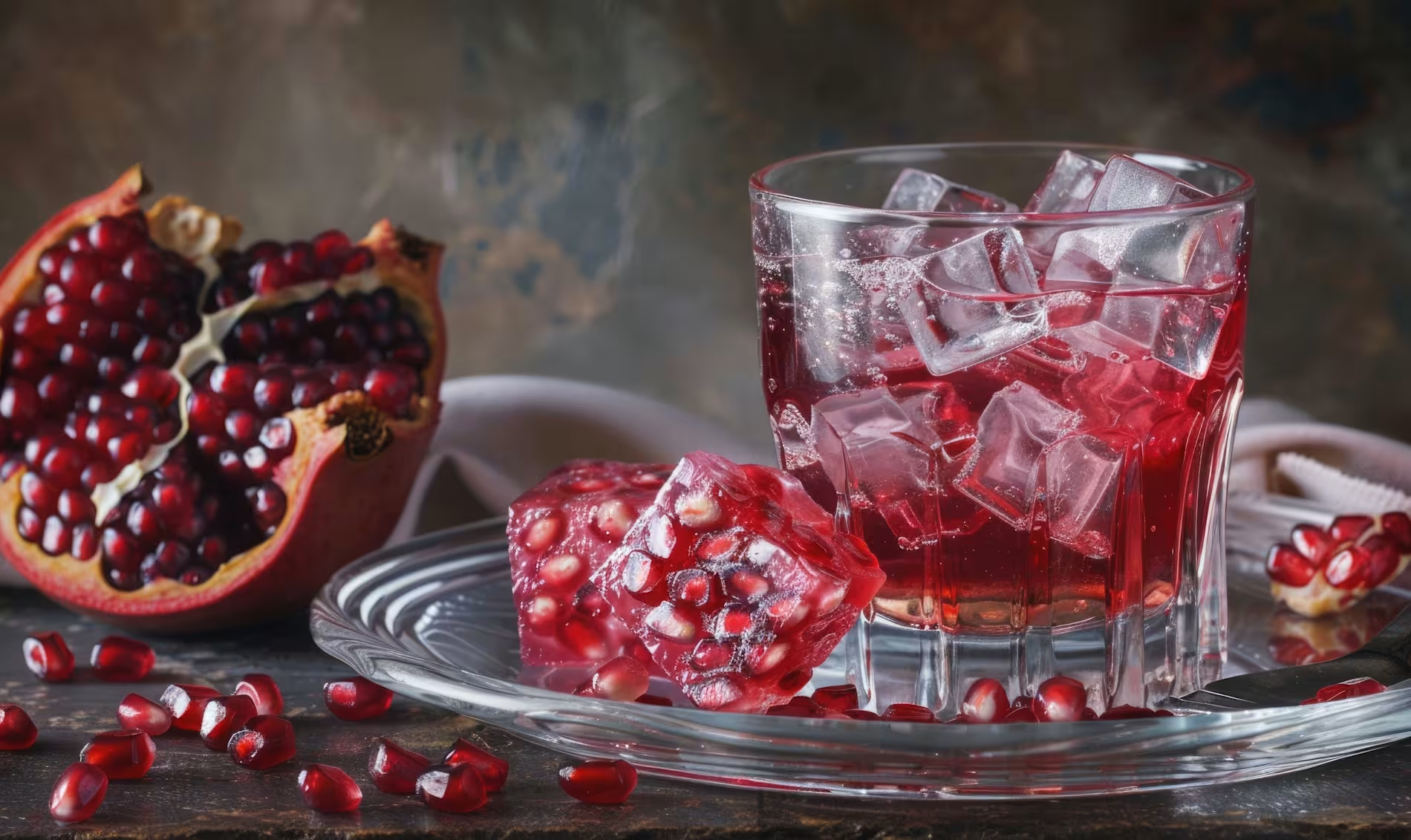

What Type Of Ice Is Best For A Gin & Tonic? Yangdup Lama Settles The Debate Over Cubed Vs. Crushed


Drink Responsibly. This communication is for audiences above the age of 25.
Yash Lakhan


More from The Bar


Stay Inspired
Sign up to our newsletter for exclusive recipes, insider secrets and special offers - all delivered straight to your inbox.
