Coconut In Drinks: 5 Ways To Use Every Part Of The Fruit For Sustainable Mixology

Coconut is a soft, sweet tropical fruit that is often used in contemporary mixology to blend versatile cocktails and mocktails. It is one of the more essential ingredients to stock up on while curating a home bar, as coconut can be used to mix many kinds of drinks. And coconut is such a bountiful fruit that each part of this fleshy produce can be put to use either for preparing drinks or serving them, or imbuing them with added flavour and aroma.
Here are some ways in which every part of the tropical fruit can be put to use for mixing coconut drinks more sustainably:
Brand references are indicative and can be changed as per preference.

Coconut Water
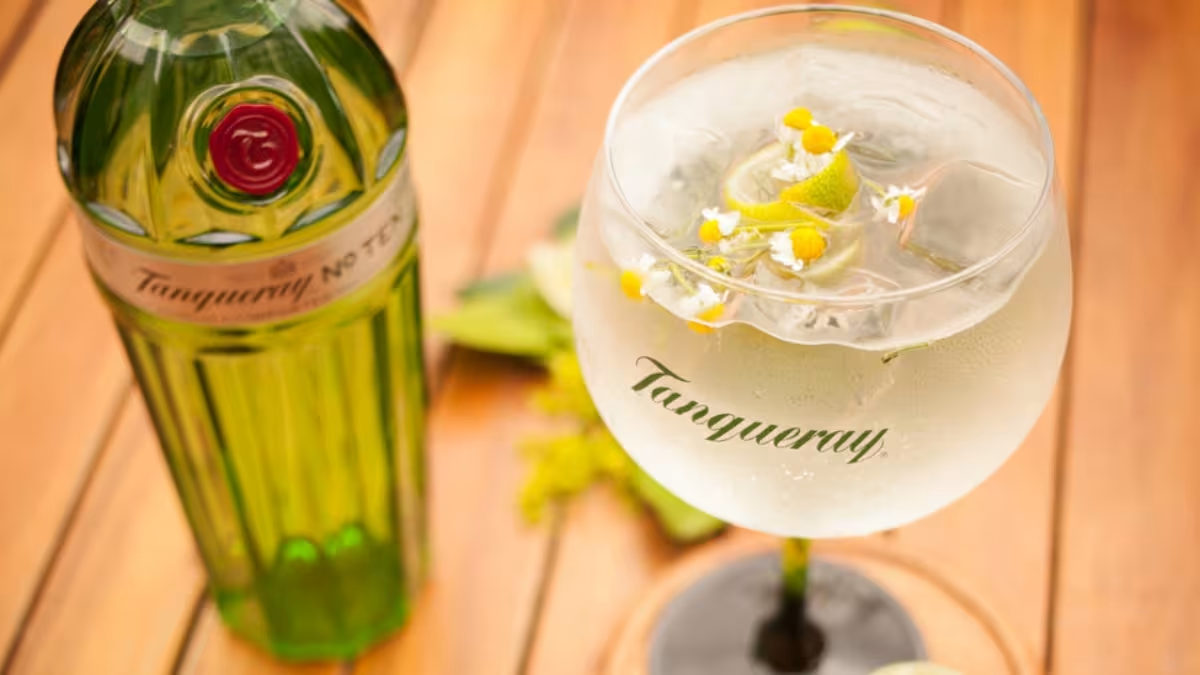
Extract fresh tender coconut water from the green fruit and add it to drinks to prepare light blends complete with a coconut flavour. Use it to make coconut drinks like a coconut-flavoured gin fizz made with the addition of 30 ml Tanqueray No. 10 Gin or any other premium gin of choice and 45 ml club soda to bring forth the tropical notes of this fruit, especially in summer weather. Ensure that fresh coconut water is being used immediately after it has been extracted from the fruit to obtain maximum flavour.
Coconut Milk
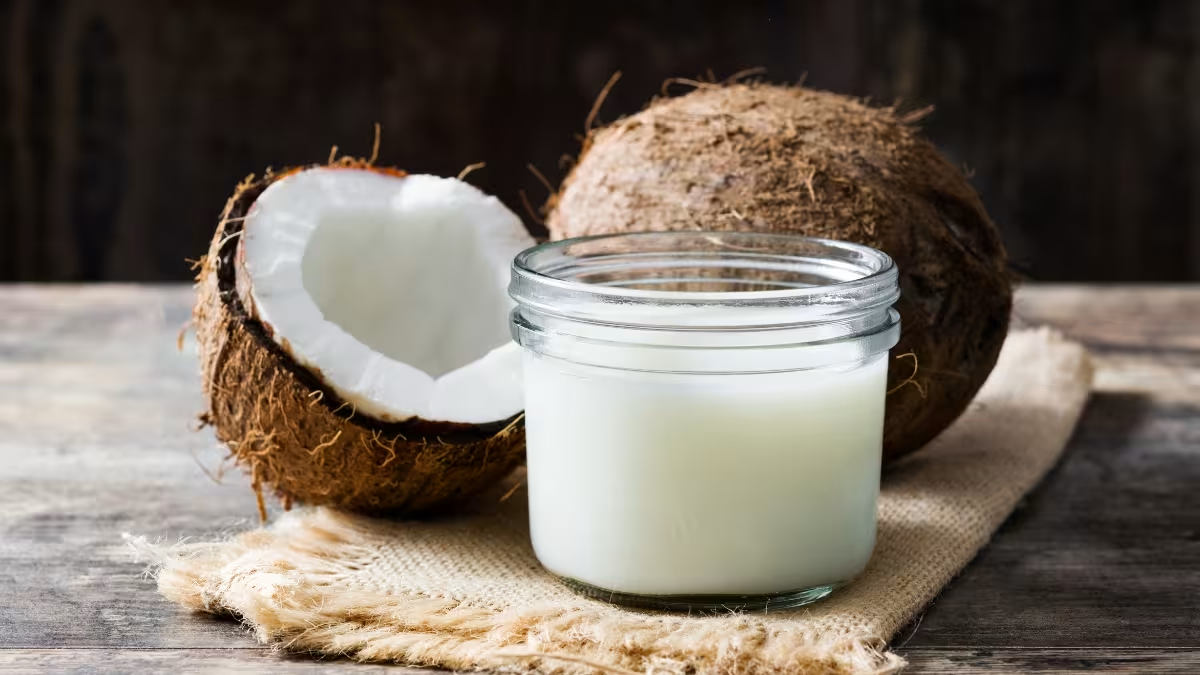
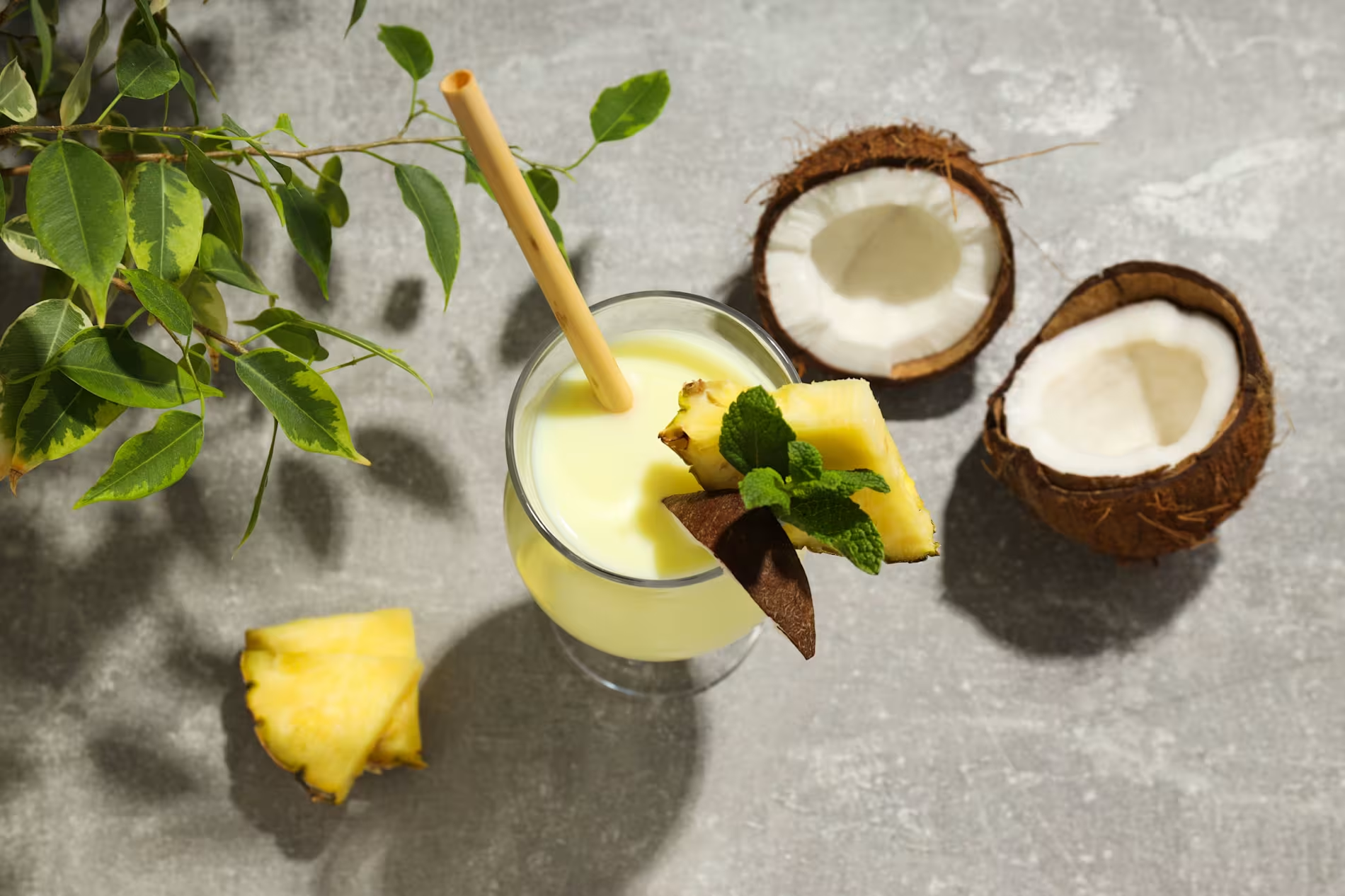
Another well-known use of coconut in beverages is by incorporating coconut milk. It works especially well in dense and creamy coconut drinks. Fresh coconut milk can be extracted from the white flesh of the fruit found inside the browned coconut. This is a slightly riper version than the tender coconut, and the flesh yields a smooth, thick milk that builds creaminess into drinks such as a piña colada or a coconut old fashioned made using 30 ml Johnny Walker Black Label or any other premium whisky of choice.
Coconut Husk Infusion
When the flesh and water of a coconut are utilised, what is left behind is the coconut shell and the brown husk of the fruit. Many times, coconut husk goes directly into the wastebasket. But while stocking up a home bar sustainably, preserve this husk. It can be burnt slightly to create a smoky infusion for cocktails. A coconut rum sour can be made in this manner by infusing the smoke emanating from the husk into a cocktail prepared using 30 ml Captain Morgan Dark Rum or any other premium rum of choice.

Coconut Flesh
To move towards a more sustainable way of blending drinks, use leftover coconut flesh or coconut shavings as interesting garnishes on top of tropical blends. Chunks of coconut flesh can either be fashioned into adornments by themselves or can be grated into soft, tender coconut shavings that can be used for rimming glasses. A mix of sugar and coconut shavings can be used as rimmed garnishes for cocktails like the daiquiri made using 30 ml premium white rum of choice or a tender coconut and basil mocktail.

Coconut Shell Serving Glass
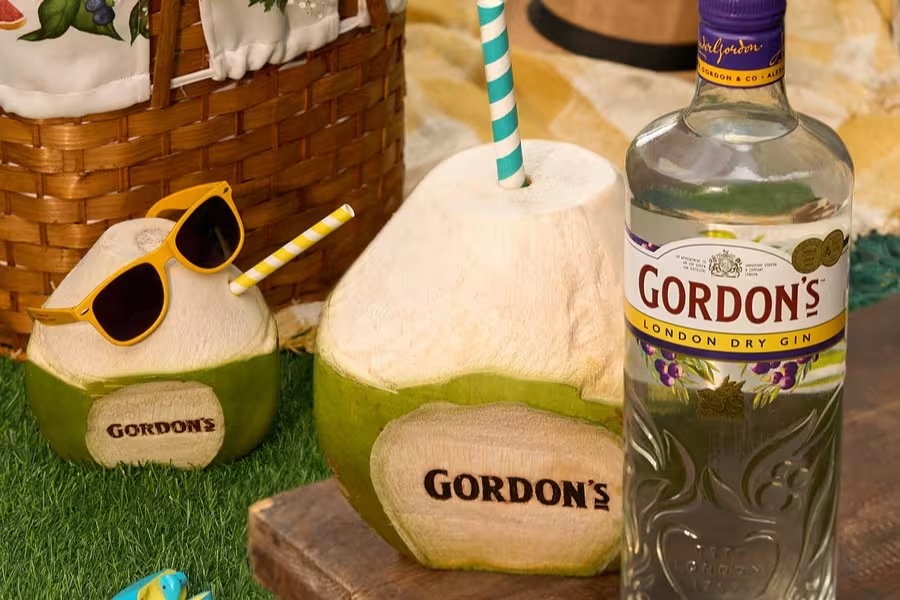
This one is a no-brainer. Coconut shells are often cleaned and filled with different tropical drinks ranging from a piña colada to a daiquiri, particularly at a tiki or island-themed party. Make use of coconut shells in a similar way for serving blends such as the coconut punch or a tender coconut gin fizz to extract the most out of this fruit. Prop a colourful, decorative umbrella on top of the coconut shell for the finishing touch.
Inevitably, for those who prefer to go the sustainable route while dabbling in mixology, one of the ingredients that can be used in more ecologically friendly ways is the coconut. From coconut water to coconut milk and husk, each element of this fruit contains different characteristics that can be used in the process of making and serving alcoholic and non-alcoholic coconut drinks.
Drink Responsibly. This communication is for audiences above the age of 25.
FAQs:
Coconut can be used in several forms, including coconut water, coconut milk, coconut cream, coconut syrup, coconut oil and toasted coconut. Each brings a different texture, sweetness or aroma to a cocktail.
You May Also Like


Celebrate World Coconut Day With A Splash Of Gordon’s Cocktails
It’s World Coconut Day, how about celebrating it with refreshing gin cocktails? Here are two cocktail recipes that will leave your taste buds in joy!




Drink Responsibly. This communication is for audiences above the age of 25.
Aishwarya S

More from The Bar


Stay Inspired
Sign up to our newsletter for exclusive recipes, insider secrets and special offers - all delivered straight to your inbox.
