Bartender Pet Peeves: The Top 5 Mistakes To Avoid When Ordering Your Next Drink

Introduction
Bartender pet peeves mostly revolve around ordering habits that disrupt flow, delay service, or make it difficult to build drinks. Examples include vague requests and orders timed poorly. They affect workflow and will also have an impact on a drink's overall balance.
By following a simple bar etiquette guide or focusing on avoiding the following pet peeves, you can help your bartender serve you high-quality drinks, especially in fast-paced environments where timing and precision are very important.
Bartender Pet Peeves #1: Ordering Without Knowing What You Want
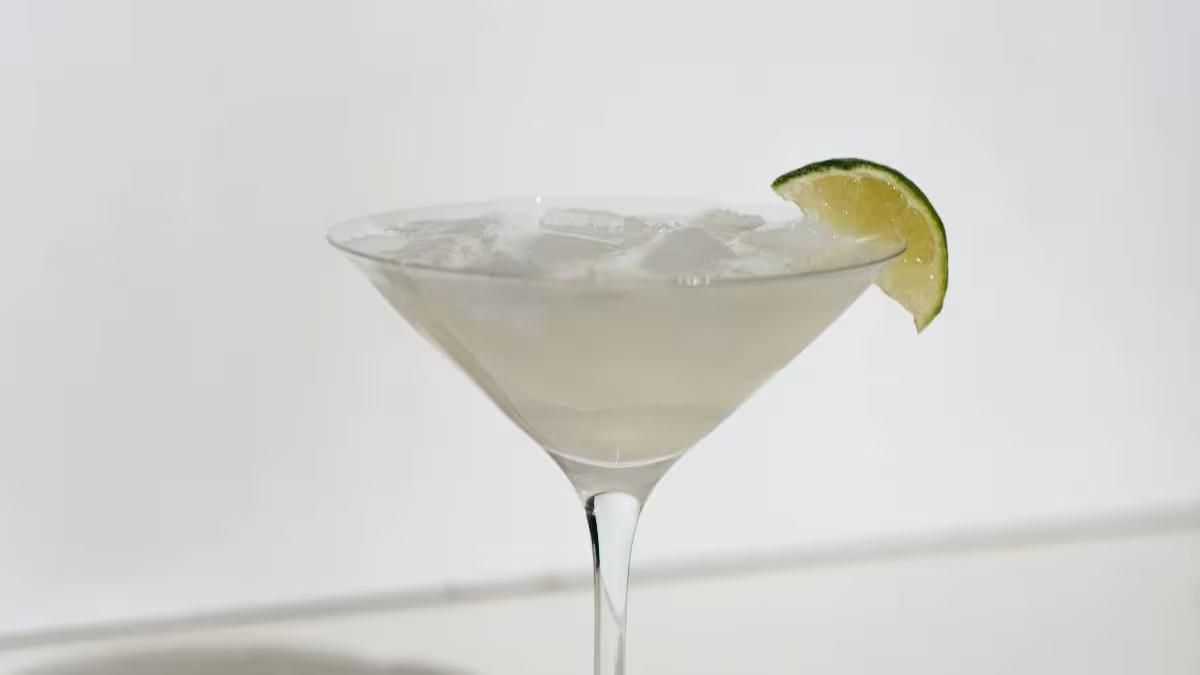
One of a bartender's biggest peeves is when people can't make up their mind about what drink they would like while they're at the bar. Indecision can hold up a busy bar, where there are many drinks that are being built at the same time and can affect how the bartender delivers the drinks to the customers. Bartenders tend to build drinks in a sequence that allows them to work in an efficient manner. For example, stirred drinks like Old Fashioned cocktails would be built in order first, then more shaken drinks like Daiquiri cocktails would be made. Taking too long to think about or continuously changing your mind on your drink breaks the bartender’s flow, leading to inefficient prep and service.
Rather than starting with open-ended questions, try to narrow your request. Instead of saying, “just give me something good, I don’t care what”, try something like “A good cocktail with a citrus taste that doesn’t have a lot of sweetness.”
Bartender Pet Peeves #2: Asking for “Something Assertive” Without Context
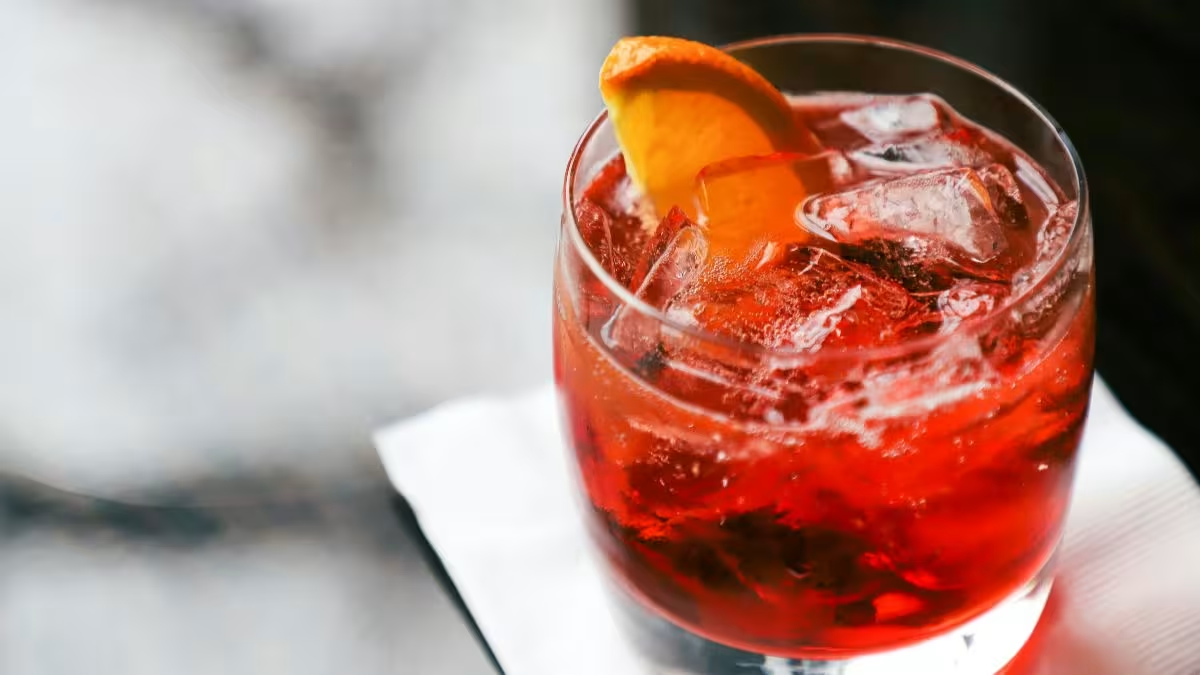
This is another top complaint by bartenders. Assertiveness in cocktails does not just mean having high alcohol content; it is also based on balance and how the cocktail is made. For example, a Negroni cocktail, which has three equal parts, will have a more prominent flavour than one that has multiple spirits in it, such as the Long Island Iced Tea cocktail. The latter is made with four different spirits that are diluted and mixed with sweet and tart mixers. The majority of cocktails served at a bar will typically have a measurement, giving you an equal amount each time an order is placed. Asking to have a cocktail made more assertive without understanding the process of how a specific cocktail is made will result in an unbalanced drink instead of adding to its complexity.
Bartender Pet Peeves #3: Ordering at the Service Station
Another common complaint from bartenders is when guests come up to the service station (the area designated for staff to place their orders). This area is designed to allow bartenders to provide efficient service by preparing drinks for tables in batches. When you enter this area, it slows both bar and table service.
To avoid issues like this, simply order at the bar and wait for your turn. If you are in a busy venue, making eye contact and providing a clear and concise order will help maintain the flow of service.
Bartender Pet Peeves #4: Modifying Drinks Excessively
While many people enjoy customising their drinks, bartenders dislike customers who modify their drinks excessively. Most cocktails are made with some sort of balance between flavours. Some examples of this are:
A Whiskey Sour cocktail uses both citrus and sugar to balance the drink.
A Moscow Mule cocktail uses both ginger spice and lime to add a zingy touch to the drink.
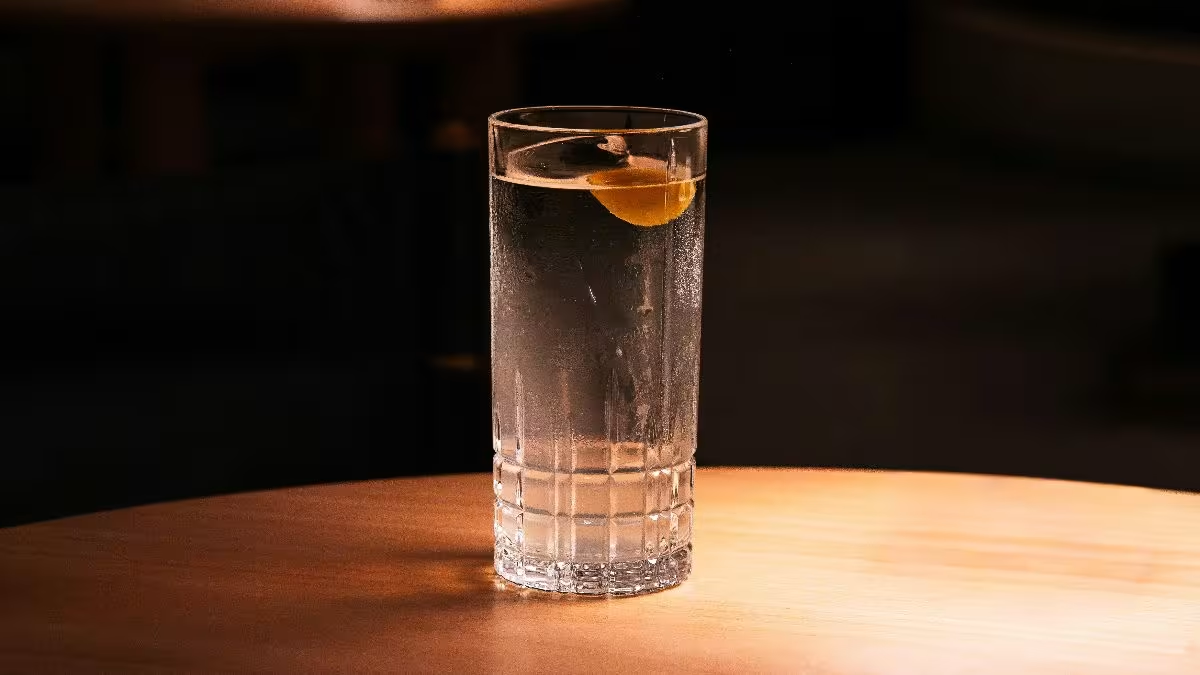
A Tom Collins cocktail uses a light and fizzy citrus base.
Too many modifications to an existing drink, such as removing the acid, can result in a ruined drink. When you request modifications to your drink, try to do so in a way that does not affect its original structure. For example, requesting less sugar or more lime will help to maintain the original structure of the drink.
Bartender Pet Peeves #5: Not Being Ready to Pay or Close Tabs
One common pet peeve among bartenders is operational delays and how much they contribute to inefficiency in payments during busy times. Bartenders work on multiple orders and have to keep track of tabs during peak hours.
When the bars are crowded, delays in receiving payment disrupt sequencing and create wait times for other customers. Having payment methods ready will help maintain the flow of service, especially when there is a crowded bar.
Quick Fixes for Better Ordering
A bar etiquette guide lists some simple practices that can help increase the flow of service at bars.
Know what you want to drink before getting to the bar
Use flavour descriptors rather than vague terms, especially when requesting something off the menu
Be respectful of the service zones where bartenders are working and how they work with other bartenders
Keep your modifications to a minimum and be precise in your modifications
Be ready to make your payment to prevent any delays
By implementing these minor changes, you will reduce friction and improve your chances of receiving your drink exactly how you wanted it to be, whether that be herbaceous, citrusy, or spirit-forward.
Common Ordering Mistakes At The Bar (And How To Avoid Them)
Here’s a quick overview of how a mistake impacts the service and how to avoid it.
Mistake - Impact on Service - Better Alternative
Vague orders like “anything good” - Slows decision-making - Specify flavour profile (citrus, bitter, spiced) Asking for “assertive” drinks - Disrupts balance - Choose spirit-forward drinks like the Negroni cocktail Ordering at the service station - Interrupts workflow - Order at the main bar counter Over-customising drinks - Alters structure - Request minor tweaks only Delayed payment - Slows turnover - Keep payment ready
Conclusion
When customers order a cocktail, having proper communication, an understanding of the flow of the bar, and respect for the ingredients in the drink all contribute to ensuring that all orders are consistent. When customers order a cocktail, whether it be a citrus-based beverage or a spirit-forward cocktail, considering all of these factors helps the bartender develop the right flavour balance while executing the drink properly without any unnecessary compromises.
*Drink Responsibly. This communication is for audiences above the age of 25.
FAQs:
Bartenders dislike ambiguous orders, excessively modified orders, ordering out of turn, and delayed payment; all of which slow down their workflow and affect consistency in the drinks produced.
You May Also Like


Drink Responsibly. This communication is for audiences above the age of 25.
Yash Lakhan


More from The Bar

Stay Inspired
Sign up to our newsletter for exclusive recipes, insider secrets and special offers - all delivered straight to your inbox.
