3 Experts Decode Paloma, The “Light” Tequila Cocktail With A Rising Bar Presence
Introduction
For the longest time, tequila cocktails were dominated by the Margarita. Then came the Picante wave, and per the latest report by 30 Best Bars, it’s not dying anytime soon. But in the middle of the sour Margarita and the savoury Picante came the bittersweet Paloma. Made with blanco tequila and grapefruit soda, the Paloma ranks as the tenth most popular drink in India in 2026. Experts from Mumbai’s leading bars, Sixteen33, Nox (The Westin), and La Loca Maria explain how this shift occurred.
Brand references are indicative and can be changed as per preference.
How Paloma Stood Up To Margarita
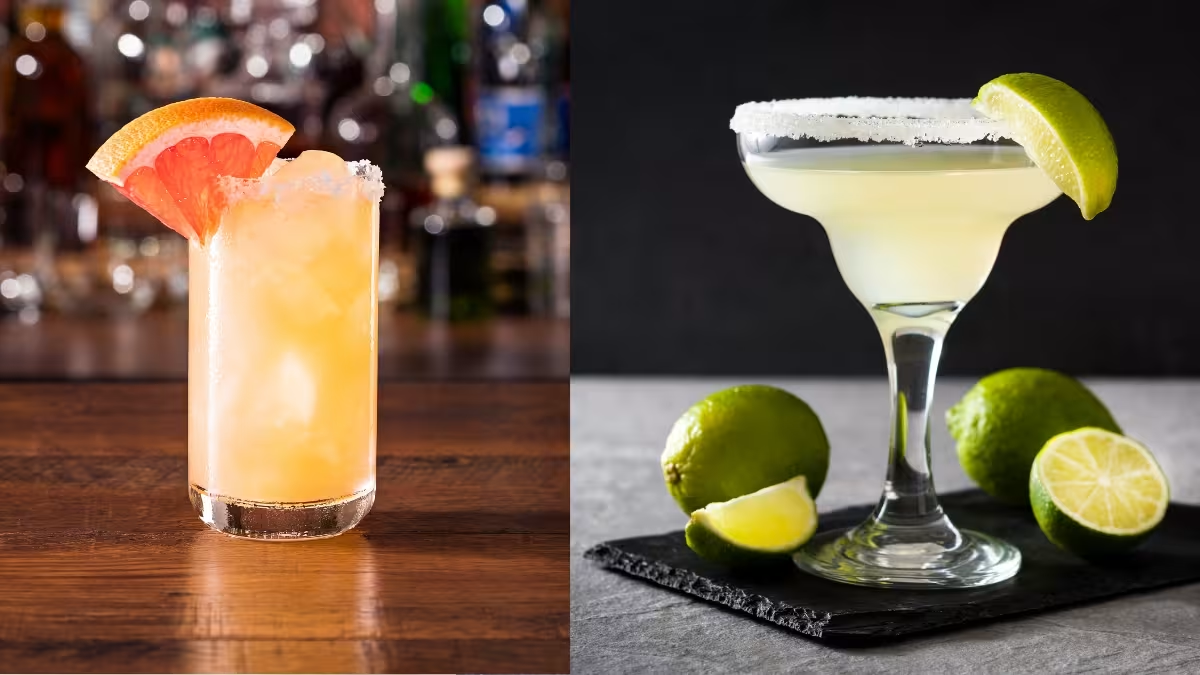
Technically, Paloma isn’t a newbie, but it’s only in recent times that the drink came neck and neck with Margarita. According to Ronald Ramirez, Director of Beverages at The Westin Mumbai, Powai Lake (NOX), this rise in popularity can be attributed to how the drink showcases tequila.
“What makes the Paloma so compelling is its ability to showcase tequila in a lighter, more nuanced format. While a Margarita is typically sharper and more spirit-forward, the Paloma’s grapefruit notes and gentle effervescence complement tequila’s earthy agave character.”
Ethan Campbell, Head Mixologist at Sixteen33, and Dwayne Dmello, Bar Manager, La Loca Maria & La Panthera put it down to the drink’s “bright” fresh character. It’s a sweet-sour balance that is “not asking much of you”, as per Campbell.
The flavour profile tells one part of the story, but it’s not the complete tale. After all, Paloma has always tasted this way. What has changed is not the drink but the drinking culture.
“While it is not inherently a low-ABV cocktail, its grapefruit-led vibrancy, subtle effervescence and clean, dry finish give it a quality that is particularly well suited to evolving drinking preferences,” states Ramirez.
Campbell adds that the drink’s versatility plays as much a role as its structure.
“The Paloma fits perfectly into where drinking culture is headed right now — lighter, fresher cocktails. It sits in this nice in-between space, more interesting than a highball, less heavy than a classic spirit-forward cocktail. I'd also say it's less about it being "low-ABV" specifically, and more about the bigger shift toward balance and drinkability. It's a classic that lets you modernise it without ever losing what makes it a Paloma.”
The India Story Of Paloma
Paloma’s popularity across the globe, and in India, is a study in evolving tastes and choices. In India, particularly, it combines two trends—the rising interest in sampling tequila in a cocktail and the preference for familiar flavours.
As Campbell puts it, “Tequila in India has largely lived in small glass culture. The Paloma flips that completely. The balance of tequila, grapefruit and acidity makes it a genuinely sessionable drink. We've also seen guests actively looking for cocktails that are flavourful without tipping into overly sweet or heavily spirit-forward, and the Paloma sits right in that sweet spot. It works equally well for someone who already knows cocktails and someone trying tequila for the first time. It's become one of our bestsellers because it introduces tequila in a format people already feel comfortable with, while still letting the spirit actually shine through.”
Ramirez and Dmello also touch on how the drink fits the Indian palate and social drinking culture. Ramirez explains it best, stating how “the Paloma’s citrus-forward taste and subtle bittersweet finish resonate well with the Indian palate, while its lighter presentation is particularly suited to the country’s social drinking culture.”
So What Makes A Perfect Paloma?
When all’s said and done, the question comes back to one thing - how to get the Paloma right?
Dmello stresses balance as the key.
“Tequila sets the backbone of the Paloma, whether you want something earthy and vegetal or brighter and more peppery, while the grapefruit brings the freshness and bitterness that make the drink work. For me, the key is balance: The grapefruit needs to bring freshness and a touch of bitterness, the acidity should have some bite, and the tequila should still come through rather than getting lost behind the mixer. Small changes in those three elements can completely shift the character of the drink.”
Campbell’s views echo the sentiment, though he also explains the most overlooked part about the drink.
“Because the build is so stripped-back, there's nowhere to hide; every ingredient is on display, so the balance really has to be earned. Honestly, with a Paloma or any cocktail, really, temperature is the thing most people overlook. Get that right and everything else falls into place.”
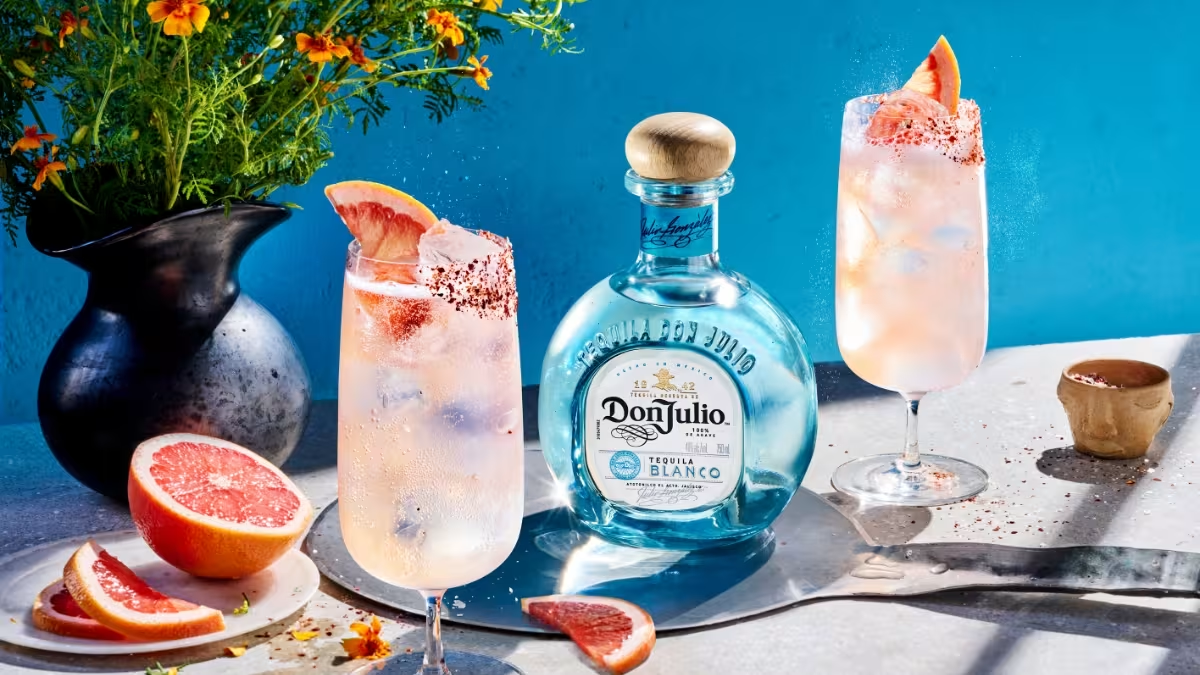
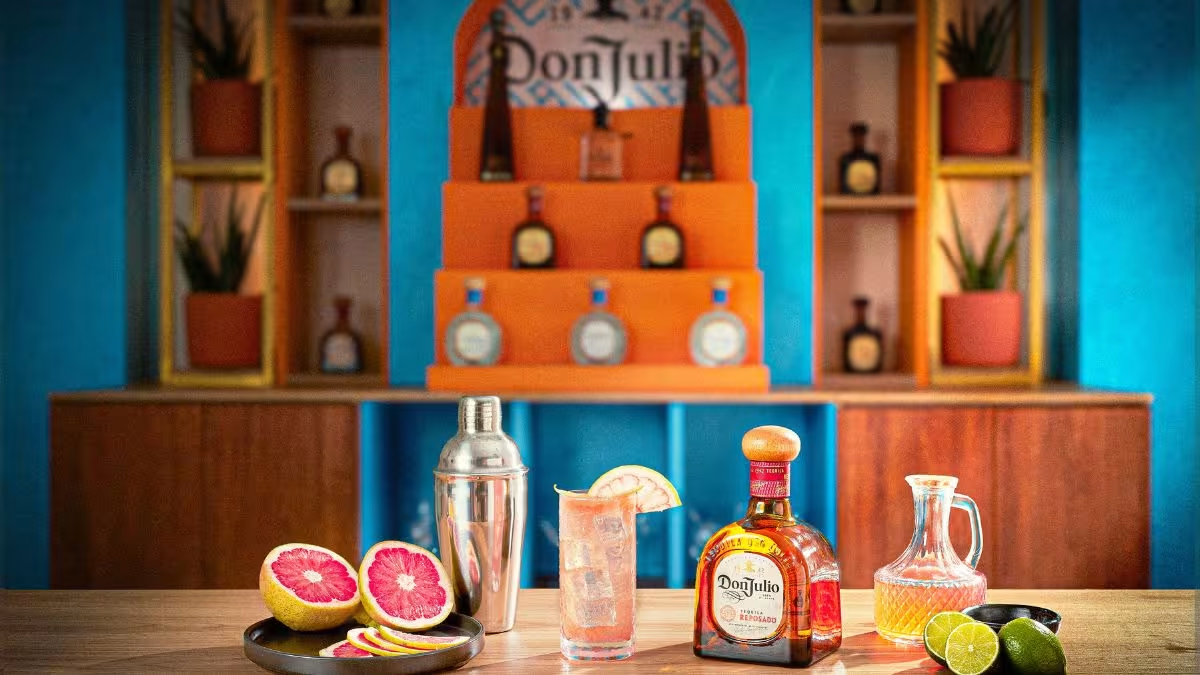
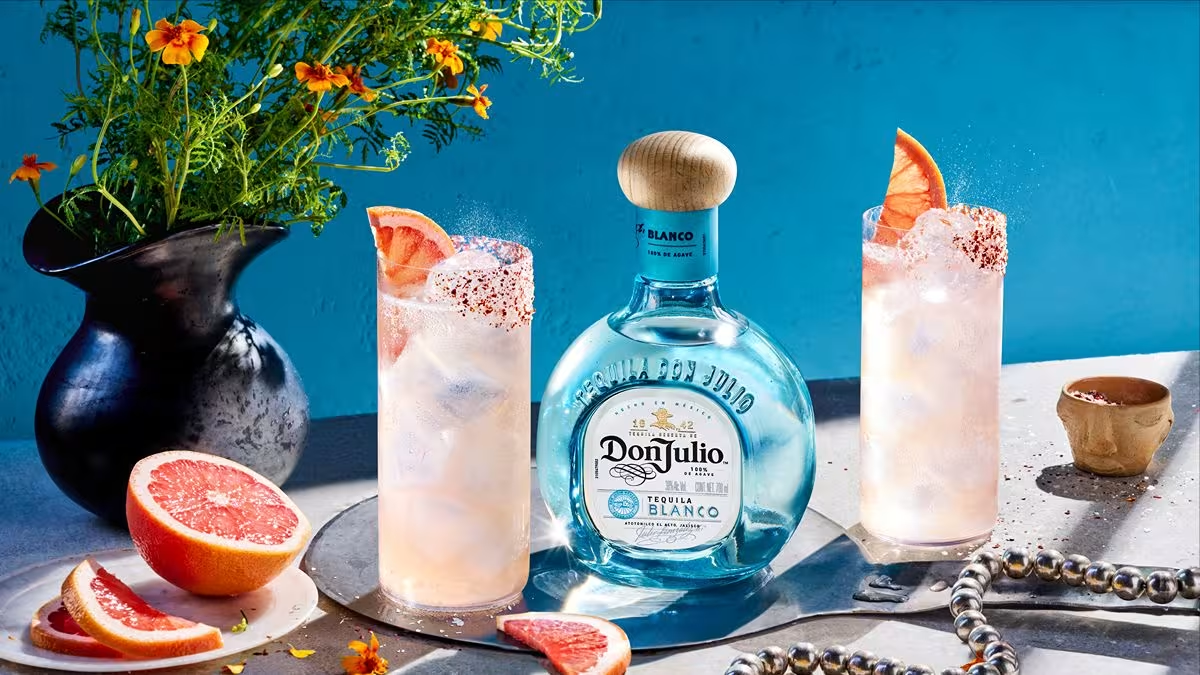
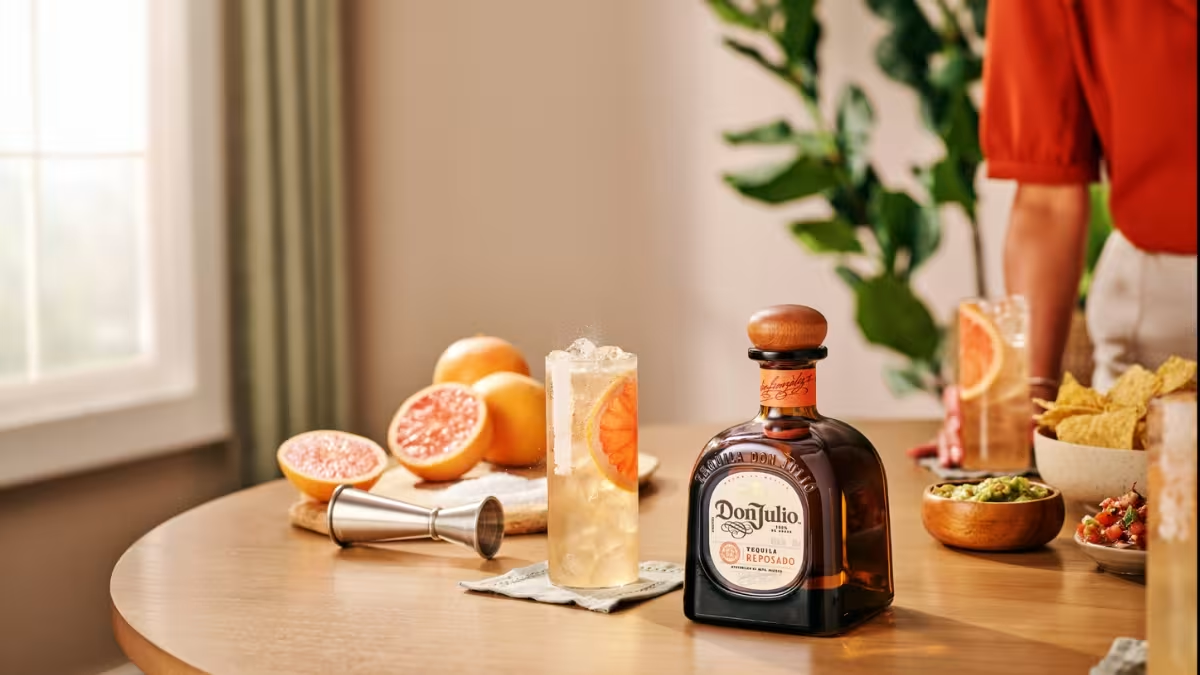
As far as the actual ingredients are concerned, blanco is the go-to choice for Paloma, though both Campbell and Ramirez agree that a Reposado can introduce hints of vanilla and oak to the cocktail. You can go for a crisp Don Julio Blanco or its aged cousin, the Don Julio Reposado, when trying the drink at home.
As for the mixer, the grapefruit juice vs soda debate doesn’t have a clear winner, still. According to Ramirez, “fresh grapefruit juice offers natural acidity, gentle bitterness and aromatic complexity, while grapefruit soda provides consistency, sweetness and lively carbonation. Bartenders should consider how the tequila’s agave profile interacts with the sweetness, acidity and bitterness of the chosen grapefruit element, ensuring that neither overpowers the other.”
Conclusion
The Paloma is an excellent case study of how classics never go out of style, though they may rise and dip in popularity. After all, the drink was invented in the 1950s but remained deeply regional (to Mexico) for decades before having its global breakthrough in the late 2010s. In fact, World Paloma Day was officially established in 2019. Today, it’s achieved true global ubiquity, becoming a staple menu item across high-end bars.
*Drink Responsibly. This communication is for audiences above the age of 25.
FAQs:
The classic Paloma Cocktail Recipe combines 50 ml of tequila blanco, 15 ml of fresh lime juice, and a pinch of salt into an ice-filled highball glass. This is topped with 100 ml of pink grapefruit soda.
You May Also Like



Drink Responsibly. This communication is for audiences above the age of 25.

More from The Bar

Stay Inspired
Sign up to our newsletter for exclusive recipes, insider secrets and special offers - all delivered straight to your inbox.
